Friday, February 14, 2020

A Naturopathic Doctor’s Role During Menopause

A Naturopathic Doctor’s Role During Menopause | Annex Naturopathic Clinic | Toronto Naturopathic Doctors

If you menstruate, you’ll eventually run up against menopause.

This can be a difficult time that can interfere with your daily life and routine.

Because this is a natural part of a life, there is no “cure” for menopause.

However, as we’ll see later in this article, there are some naturopathic solutions for menopause which can ease your transition through this process.

Keep reading to find out more.

What is Menopause?

Change of life, the Big M, or simply The Change: call it what you want, it will happen in anyone who menstruates.

In the US alone, two million people reach menopause every year.

Menopause is the natural biological process during which your reproductive hormones decrease, your ovaries stop producing eggs, and eventually your periods end.

The gradual transition to menopause is called perimenopause.

During this time hormones such as estrogen and progesterone begin to fluctuate and can cause a number of physical symptoms.

A Naturopathic Doctor’s Role During Menopause

By focusing on the whole person, a naturopathic doctor can help to address the factors that impact perimenopause and menopause.

By doing a full naturopathic evaluation, your naturopathic doctor can help to manage difficult symptoms and also take preventive measures to address changes that can impact heart, bone, and brain health.

Read on below to find out some of the ways a naturopathic doctor can help you with

1. Managing Your Physical Symptoms

Menopause can come with a great deal of physical symptoms.

While it is a natural part of life, these symptoms can cause a lot of frustration.

A naturopathic doctor can help you to deal with a number of the issues you may experience during your menopausal journey.

For example, as your hormone levels fluctuate during menopause, you’re likely to experience hot flashes and night sweats.

These can vary in length and frequency, and certain lifestyle factors might make them worse, like your environment, nutrition, stress level, and alcohol and tobacco use.

While hot flashes are common in menopause, it’s important to note they may pop up in other conditions as well.

So if you’re experiencing hot flashes, let’s make sure it’s actually menopause that’s causing them, and not hyperthyroidism, anxiety, or something else.

Another common symptom of menopause is vaginal dryness.

A decreased level of estrogen can cause vaginal tissue to become thinner, drier, and less elastic, which can cause penetration to be painful and can also leave you at risk for urinary tract infections and urinary incontinence.

A full evaluation will help to ensure that these symptoms are not caused by other health issues such as malignancies, vulvar dystrophies and dermatoses, infection, allergies, and skin conditions.

From there, your naturopathic doctor can provide solutions to manage your vaginal dryness naturally.

As menopause progresses, several skin changes can occur as well, such as brown spots, dryness, wrinkling, and easy bruising.

Skin is partially composed of collagen and 30 percent of skin collage is lost during the first five years of menopause.

Your naturopathic doctor will help you retain your skin’s elasticity, so you can continue to look and feel great as you age.

how naturopathic medicine can help during menopause | Annex Naturopathic Clinic | Toronto Naturopathic Doctors

2. Manage Your Mental and Emotional Symptoms

The physical effects of menopause can often lead to mental and emotional symptoms.

If you’re in menopause or perimenopause, you might experience a decreased libido and other changes in sexual responses.

This is due to change in anatomy, hormone levels, physiology, psychological factors, and other stressors during menopausal transitions.

You may also experience depression, anxiety, and mood swings.

These symptoms, as well as increased irritability and panic or anxiety disorder, may be caused by the sleep disruption due to your hot flashes and other factors that aren’t related to hormonal changes.

Whatever it is that’s causing your changes to you mental health state, your naturopathic doctor will work to find the root cause.

From there, you’ll get a treatment plan designed to address that root cause, helping you get back to feeling balanced and back to your regular self.

3. Reduce Your Health Risks

As you make your way through menopause, your risk of certain health disorders increases.

For example, your bones will become weaker as you age, putting you at greater risk for osteoporosis.

So your naturopathic doctor may prescribe vitamin D and calcium and recommend bone strengthening dietary and exercise regimes to help reduce your risk.

As well, you’re at greater risk for a deteriorating memory as you get older.

As a result, your naturopathic doctor may suggest herbs such as the plant extract bacopa monnieri, or mind-body medicine techniques like meditation to help improve memory and prevent cognitive decline.

4. Keep Your Energy Levels Up

Let’s face it – menopause is exhausting.

A common symptom of menopause is insomnia. That’s partially due to the hot flashes you have to deal with, but there’s more to it than that.

A 2015 study in the Journal Of Sleep Disorders And Therapies found a comorbidity between menopause and a number of issues which could affect your sleep quality, including:

  • Anxiety
  • Depression
  • Obstructive sleep apnea
  • Restless leg syndrome

Your naturopathic doctor can help you find solutions for your sleep difficulties, easing your menopausal journey.

Bioidentical Hormone Replacement Therapy: A Potential Solution

Hormones are like chemical messengers that help your body to carry out a variety of major functions.

Hormones do things like tell you when you’re hungry, regulate emotions, and control your immune, digestive, and reproductive system.

When your hormones are out of balance, you can be faced with a variety of different health concerns.

Bioidentical hormone replacement therapy is a treatment in which your hormone levels can be supplemented to help ease your symptoms.

Since menopause is not a health disorder but instead a natural part of your life, BHRT is intended to ease your menopausal symptoms and not to eliminate menopause entirely.

Bioidentical Hormone Replacement Therapy can help with symptoms such as mood swings, lost libido, insomnia, chronic fatigue, memory issues, weight gain, hot flashes, and night sweats.

Book An Appointment With Annex Naturopathic

Are you starting to approach a menopausal age, and concerned with how it’s going to affect your life?

Have you already begun down the menopausal path, and having trouble dealing with the symptoms?

Either way, Annex Naturopathic is here for you.

Book an appointment with us today, and speak to one of our naturopathic doctors on how you can get relief from your menopausal symptoms, naturally.

If you’re curious to learn more about this subject or would like to consult with one of our NDs feel free to book a visit or contact us.

Yours in Health,

Annex Naturopathic Clinic
572 Bloor St W #201, Toronto, ON M6G 1K1

-https://goo.gl/maps/uVRBvcyoUa62

Annex Naturopathic Clinic is a clinic in Toronto that offers integrative healthcare solutions from Drs. Marnie Luck, ND, and Tanya Lee, ND


Read more info about health, wellness, naturopathy, and medicine at: Toronto naturopathic doctors


Tuesday, February 4, 2020

Health Benefits Of GABA

Health Benefits Of GABA | Annex Naturopathic Clinic | Toronto Naturopathic Doctors

Looking up at the wall of health supplements at your local health food store can be enough to make your head spin.

Sure, there are the vitamins and minerals to consider – those can be complex enough on their own.

But then, throw in all the other supplements. Glutathione? Omega-3’s? Polyphenols? What is all this stuff?

We’ve covered each of the above compounds in the past, to help you get a better understanding of how they can influence your health.

Today we’ll take a look at GABA.

What Is GABA?

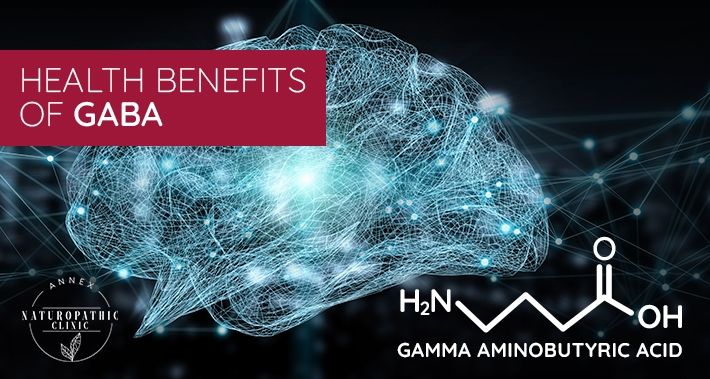
GABA stands for gamma aminobutyric acid – you can see why abbreviating the word here is important.

It’s an amino acid. There are many different amino acids, and they each do something a little different in your body.

However, they all have in common the fact that they serve as the building blocks of proteins.

Since many of your body’s most important elements are made of proteins – including many of your hormones - these amino acids are critical for life.

GABA’s unique role is to act as a neurotransmitter in your brain.

It inhibits brain signals, decreasing activity in your nervous system. This has the effect of helping keep you calm.

Sources Of GABA

Your body naturally produces GABA on its own, but it’s difficult to get GABA directly from your diet.

The only readily available sources of it come from fermented foods like kimchi and tempeh.

As a result, it’s most commonly taken as a supplement.

Health Benefits Of GABA

Aside from the calming effect mentioned above, GABA has a number of health benefits.

Read on to find out more.

how GABA can help you | Annex Naturopathic Clinic | Toronto Naturopathic Doctors

1. May Help With Insomnia

Because of GABA’s calming effect, researchers have focused on its effectiveness as a remedy for insomnia.

A 2018 study by Jung-Ick Byun Et Al studied 40 patients with insomnia, and provided them with either GABA supplements or a placebo.

They concluded that GABA supplements significantly improved the insomnia within the control group, and recommended its widespread use in the general population.

If you’re looking for a natural solution for insomnia, GABA might be the solution for you.

2. May Reduce Anxiety

Research on how GABA can affect anxiety is still ongoing.

Because of its role as a sleep aid, it’s thought GABA can help relieve anxiety as well.

The question, though, is how effective supplemental GABA is at getting to your brain via your bloodstream.

However, initial studies show promise.

3. May Help With High Blood Pressure

Again, GABA’s benefit with reducing high blood pressure ties back to its benefits for sleep.

One of the common symptoms of insomnia is high blood pressure, so in some cases solving one will solve the other.

Additionally, a 2018 study by Chen Et Al found that treating high blood pressure rats with GABA tea had a positive effect.

4. May Help Relieve PMS Symptoms

If you suffer from PMS, you’ll experience a variety of mood fluctuations, including irritability and emotional instability.

Part of this is due to hormonal fluctuations. After menstruation ends, your body will increase estrogen production in order to re-line your uterus.

About halfway through your cycle, though, your estrogen levels will begin to decrease, while your progesterone increases. It’s the spike in progesterone that can lead to your mood changes.

However, your neurotransmitter levels will also fluctuate, including GABA. Supplementing your GABA levels may help you relieve your PMS symptoms.

5. Other Possible Benefit

Research is still ongoing into the other potential benefits of GABA. If you’re dealing with one of the following conditions, it may help:

  • Motion sickness
  • Cerebral palsy
  • Cushing’s disease
  • Huntington’s disease
  • Meningitis
  • Seizures
  • ADHD
  • Pain relief
  • Weight loss

Side Effects Of GABA

Because GABA is a substance your body naturally produces, it’s likely safe to supplement with.

However, there are some reported side effects.

The one that should come as least surprise is drowsiness. Avoid taking GABA before driving or operating any heavy machinery.

Beyond that, though, you may also experience an upset stomach, minor headaches, or muscle weakness.

Studies on how GABA interacts with other medications or supplements are limited as well, so if you’re planning on adding GABA to your routine, be sure to speak with your naturopathic doctor first. The same goes for if you’re pregnant or breastfeeding.

Book An Appointment With Annex Naturopathic

Are you having trouble sleeping?

Dealing with frustrating PMS symptoms?

Does GABA seem like a useful way to relieve your anxiety and improve your quality of life?

If so, book an appointment with us here at Annex Naturopathic.

You’ll get a chance to sit down with a naturopathic doctor and discuss your health concerns. From there, we’ll help you decide whether GABA, or another naturopathic service, is right for you.

Insomnia can be a crippling condition to deal with, but there are natural solutions available which may help.

Book your appointment with Annex Naturopathic today.


If you’re curious to learn more about this subject or would like to consult with one of our NDs feel free to book a visit or contact us.

Yours in Health,

Annex Naturopathic Clinic

572 Bloor St W #201, Toronto, ON M6G 1K1
-https://goo.gl/maps/uVRBvcyoUa62

Annex Naturopathic Clinic is a clinic in Toronto that offers integrative healthcare solutions from Drs. Marnie Luck, ND, and Tanya Lee, ND


Read more ideas about health, wellness, naturopathy, and medicine at: naturopathic clinic in Toronto


Friday, January 31, 2020

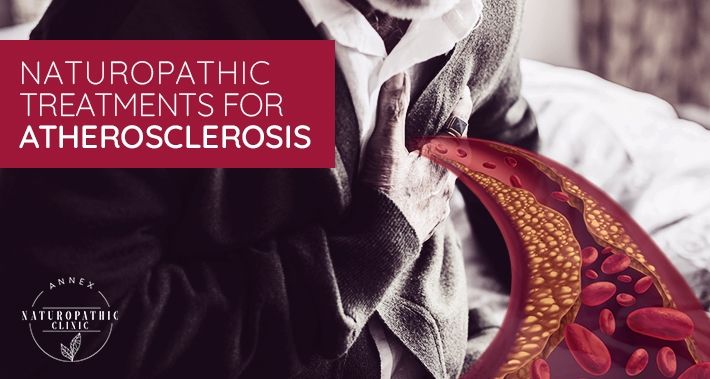
Naturopathic Treatments For Atherosclerosis

Naturopathic Treatments For Atherosclerosis | Annex Naturopathic Clinic | Toronto Naturopathic Doctors

In Canada, cardiovascular disorders are one of the leading causes of death.

According to a 2018 Statistics Canada census, heart disease was the second most common, just behind cancer.

There are a number of different types of heart disease, one of which is atherosclerosis.

Heart disease can be a frightening thing to deal with, but there are naturopathic treatments for atherosclerosis which may help.

Let’s talk about atherosclerosis.

What Is Atherosclerosis?

Atherosclerosis goes by many names.

You may hear it referred to as arteriosclerosis, or simply “hardening of the arteries”.

In fact, atherosclerosis is a specific type of arteriosclerosis. Sometimes the two are used as synonyms though.

Whatever you’d like to call it, it’s a disorder that affects your arteries.

Your arteries are your body’s highways – they carry oxygen and nutrients to the different parts of your body.

Over time, plaque can build up along the walls of your arteries. This can restrict blood flow and cause them to lose elasticity.

The plaque is made up mostly of cholesterol and fats.

If the plaques burst, it can lead to blood clots.

Symptoms Of Atherosclerosis

Disturbingly, you may not feel any symptoms of atherosclerosis at all until the blood flow through your arteries becomes restricted or blocked altogether.

At this point, symptoms include:

  • Chest pain that often gets worse with physical activity
  • Emotional stress
  • Pain in the jaw, neck, shoulders, back, or arms
  • Indigestion
  • Shortness of breath
  • Abnormal heartbeat

In some cases, atherosclerosis can lead to a stroke if the artery blocked is one that leads to your brain.

Symptoms of a stroke include:

  • Sudden confusion
  • Difficulty speaking
  • Difficulty comprehending others
  • Vision problems
  • Loss of balance
  • Sudden, severe headaches
  • Difficulty breathing
  • Difficulty walking
  • Numbness or paralysis on one side of your body

If you believe you or someone you know has just had a stroke, bring them to your nearest emergency room immediately.

What Causes Atherosclerosis?

Though research suggests this process begins as a result of an injury to the inner lining of the arteries, these injuries often come about due to unhealthy lifestyle factors.

Some of these factors include:

  • High cholesterol levels
  • High blood pressure
  • Tobacco use

Whatever the cause, your body will send white blood cells to repair the damage.

The muscular layer of your artery may grow as a result as well, which can restrict blood flow and cause fats to begin building up.

ways to treat Atherosclerosis naturally | Annex Naturopathic Clinic | Toronto Naturopathic Doctors

Lifestyle Changes As Treatment For Atherosclerosis

In most cases, atherosclerosis is preventable, and there are treatments available which can help.

In particular, here are some lifestyle factors which may help.

1. Quit Smoking

As if you needed yet another reason to give up the habit.

Tobacco use can be the initial cause of the damage to your arteries.

Quitting smoking can reduce your risk of developing atherosclerosis. If you already have it, quitting can help prevent it from getting worse.

Quitting smoking will also reduce your risk of dozens of other illnesses, so let us join the chorus of health professionals in suggesting you quit.

2. Exercise

The research is very clear that regular exercise can prevent atherosclerosis by helping keep your arteries more supple as you age.

Exercise encourages blood circulation, as well as stimulating your body to actually replace aging and damaged cells inside your arteries.

It doesn’t take a lot of exercise either – simply going for a walk for a kilometre or two can make a significant difference.

3. Manage Your Stress

A 2019 study by Bo-chen Yao Et Al outlines how significant a factor chronic stress is to the development of atherosclerosis.

In fact, there’s a direct correlation between chronic stress and plaque buildup in the arteries.

Finding ways to manage your chronic stress can go a long way toward improving your atherosclerosis.

4. Eat A Cleaner Diet

A diet high in cholesterol and unhealthy fats can contribute to plaque buildup in your arteries.

Avoid heavily processed foods and stick in general to a heart-healthy diet.

This includes fruits and vegetables, lean meats, fish, nuts & seeds, legumes, and whole grains.

5. Maintain A Healthy Weight

Obesity is very clearly associated with atherosclerosis. There’s an abundance of research on this, including this 2016 study from Sandfort Et Al.

Fortunately, following the above factors will in most cases take care of this point on its own.

Natural Supplements For Atherosclerosis

Following the above lifestyle factors can help with atherosclerosis, but there are some natural supplements which have been proven to make a difference as well.

Read on to find out what they are.

1. Omega-3 Oils

Omega-3 oils have a well-earned reputation for being heart-healthy. They can lower levels of LDL cholesterol (the bad stuff) and increase levels of HDL cholesterol (the good stuff), as well as decrease inflammation.

In addition, a study published just a few weeks ago, in January 2020, found that low levels of omega-3 oils are associated with the earlier development of atherosclerosis.

2. Folic Acid

Folic acid, better known as vitamin B9, is increasingly being used to address atherosclerosis.

It helps by lowering the levels of homocysteine in the blood. Homocysteine is an amino acid which has been associated with atherosclerosis in higher levels.

In addition, a 2017 study found that folic acid supplementation may be an effective treatment for atherosclerosis.

3. Coenzyme Q10

Coenzyme Q10 is an antioxidant found in a wide variety of different whole foods.

It helps by stopping LDL cholesterol from causing oxidative stress in your bloodstream. It also supports your heart’s general functioning.

Research into coenzyme Q10 for atherosclerosis is ongoing, but it seems promising. This study from late 2019 discusses it further.

Traditionally, the medical model has viewed atherosclerosis as tied specifically to arterial damage which ends up building up plaque, but we’re coming to understand the problem as much more nuanced than that.

Inflammation, the abundance of free radicals in the bloodstream, and issues with dysfunction in cellular mitochondria have all been linked with atherosclerosis. And because coenzyme Q10 helps address these issues in general, it’s thought to be able to help with atherosclerosis.

Further research needs to be done, but it seems promising.

Book An Appointment With Annex Naturopathic

Do you suffer from atherosclerosis?

Are you concerned you may be at risk for developing it?

If so, you don’t need to deal with it alone.

Book an appointment at Annex Naturopathic, and speak with one of our naturopathic doctors. We’ll help you understand your risks and options, and build a treatment plan that works with your lifestyle.


If you’re curious to learn more about this subject or would like to consult with one of our NDs feel free to book a visit or contact us.

Yours in Health,

Annex Naturopathic Clinic

572 Bloor St W #201, Toronto, ON M6G 1K1
-https://goo.gl/maps/uVRBvcyoUa62

Annex Naturopathic Clinic is a clinic in Toronto that offers integrative healthcare solutions from Drs. Marnie Luck, ND, and Tanya Lee, ND


Discover additional ideas on health, wellness, naturopathy, and medicine at: naturopathic doctors


Thursday, January 23, 2020

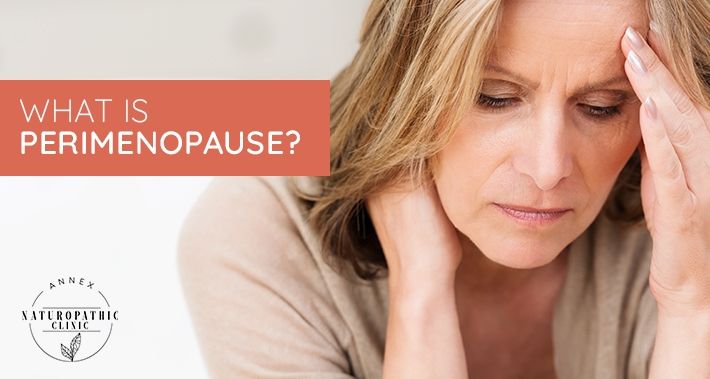
What Is Perimenopause?

What Is Perimenopause? | Annex Naturopathic Clinic | Toronto Naturopathic Doctors

You may have heard of “menopausal transition”; this is the same as perimenopause, which translates as “around the time of menopause”.

Anyone who menstruates will eventually go through the, but due to the wide range of symptoms, which can also vary widely in severity, everyone experiences this time in their own way.

It’s for this reason that many people come to Annex Naturopathic for hormone replacement for menopause.

Let’s talk about perimenopause today, and how we can help.

What Is Perimenopause?

Menopause is when your body reaches the end of its reproductive years, and is marked once you’ve gone through a full twelve months without a period.

However, the time leading up to it involves several symptoms related to the reproductive system steadily reducing its function.

Most people who experience perimenopause will do so during their 40s, but there are some who go through this as early as their 30s, and others as late as their 60s.

What occurs during perimenopause is the unsteady decline of estrogen compared to when it is balanced during optimal childbearing years.

Symptoms Of Perimenopause

There are many symptoms of perimenopause. They include:

• Irregular periods: longer or shorter, less frequent, lighter or heavier
• Hot flashes
Sleep problems
• Mood changes, including an increased risk of depression
Vaginal dryness, which can cause painful intercourse
• Increased vulnerability to vaginal or urinary tract infections
• Loss of bone tissue, which can additionally contribute to incontinence.
Decreased fertility, though beware that pregnancy is still possible and you should take precautions until at least 12 months without menstruation
• Sexual arousal and desire can wane or change
• Natural increase in HDL (good cholesterol), which can reduce the risk of heart disease
• Natural increase in LDL (bad cholesterol), which is known to increase the risk of heart disease

Naturopathic Treatments To Ease Perimenopause

A profoundly natural process, many people turn to natural solutions to help ease their symptoms of perimenopause.

We recommend you consult a naturopath before starting any treatment regimen, as we can educate you on safe dosing practices that work best for your unique combination of symptoms.

signs that you may have perimenopause | Annex Naturopathic Clinic | Toronto Naturopathic Doctors

1. Bioidentical Hormone Replacement Therapy

Hormone replacement therapy (HRT) is a common treatment for people whose hormone levels are lower than optimal.

In recent years, bioidentical hormone replacement therapy (BHRT) has come to the forefront as a more natural solution to pharmaceutical HRT.

Bioidentical hormones are derived from plant hormones that have been identified as chemically-identical to the hormones the human body produces.

Bioidentical hormone replacement therapy is often turned to as people age and hormone levels drop; the most common bioidentical hormones are estrogen and progesterone.

Bioidentical hormone therapy may reduce your perimenopausal symptoms by providing balance to your hormone levels.

2. Black Cohosh

Black Cohosh is a well-known traditional North American herb.

Be sure to seek the advice of a naturopathic doctor before starting to use Black Cohosh, as it can interact with several other medicines both pharmaceutical and herbal.

However, if it’s safe for you to use, it may help reduce the effects of hot flashes.

One study by Shams Et Al discovered black cohosh helped reduce menopausal discomfort by 26%. Another

It is recommended not to use black cohosh for longer than one year as studies on it have mostly been short term in nature. Please consult with a healthcare provider if you would like to consider black cohosh.

3. St. John's Wort

Similar to black cohosh, St. John’s Wort interacts with many pharmaceutical medications, so we strongly advise to consult a health professional before beginning to take St. John’s Wort.

St. John’s Wort has shown to relieve vasomotor symptoms, especially for those with a history or high risk of breast cancer.

4. Acupuncture

Acupuncture has been used for centuries as a Traditional Chinese Medicine commonly used to relieve premenopausal symptoms such as hot flashes, night sweats, issues sleeping and emotional imbalances.

Acupuncture has a number of other health benefits as well, and as a result is a popular natural healthcare treatment.

5. Calcium

Calcium is well-known for helping with bone health, which is particularly important in peri- and menopausal women, as the loss of estrogen makes one prone to bone loss. One of the symptoms of bone loss can be incontinence.

However, calcium also benefits many other bodily functions. It can help keep blood pressure stable, prevent certain types of cancer, and help manage obesity.

Book An Appointment At Annex Naturopathic

Have you started to notice a few of the symptoms listed above?

Or perhaps you’re in full-fledged perimenopause and are seeking relief?

Call now to book your appointment at Annex Naturopathic Clinic and one of our skilled naturopathic doctors would be happy to help.


If you’re curious to learn more about this subject or would like to consult with one of our NDs feel free to book a visit or contact us.

Yours in Health,

Annex Naturopathic Clinic

572 Bloor St W #201, Toronto, ON M6G 1K1
-https://goo.gl/maps/uVRBvcyoUa62

Annex Naturopathic Clinic is a clinic in Toronto that offers integrative healthcare solutions from Drs. Marnie Luck, ND, and Tanya Lee, ND


Learn additional tips about health, wellness, naturopathy, and medicine at: naturopathic doctors Toronto


Tuesday, January 14, 2020

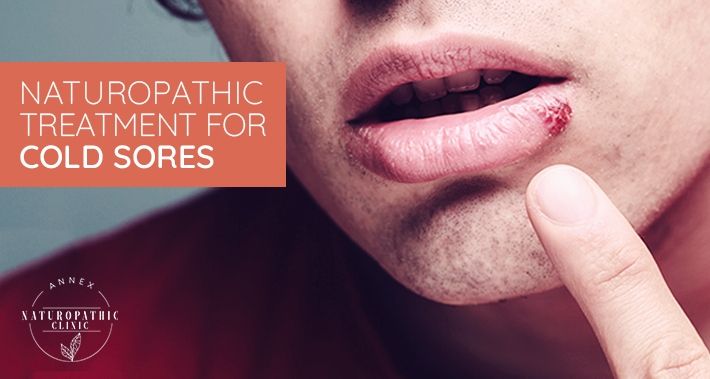
Naturopathic Treatment For Cold Sores

Naturopathic Treatment For Cold Sores | Annex Naturopathic Clinic | Toronto Naturopathic Doctors

Sometimes known as “fever blisters”, cold sores are dreaded, painful, and with you for life. Individual cold sores may come and go, but the virus remains.

While there are ways to treat them pharmaceutically, many people come to our naturopathic clinic in Toronto looking for treatments for their skin conditions, including cold sores.

Let’s take a closer look at cold sores today.

What Is A Cold Sore?

A cold sore is a blister that is usually found around the mouth and lips, or sometimes inside the cheeks, on the tongue or on the roof of the mouth.

They can be painful, and cause a burning, itching sensation that can start even a couple of days before an outbreak.

Once the outbreak starts, the blister will start to grow, and will then break.

Once it has broken, it crusts over, heals and the scab falls off to reveal fresh, pink skin.

Be warned that cold sores are extremely contagious, and you should wash your hands frequently, and every time you touch your face.

As well, don’t share lip balms, cutlery, drinks, or kisses while you’re having an outbreak.

What Causes Cold Sores?

Cold sores are caused by the herpes simplex virus (usually type-1, but occasionally type-2), and more than two-thirds of the worldwide population are carriers, even if they haven’t ever had an outbreak.

Outbreaks are usually caused by a compromised immune system, such as when you’re tired or have a cold.

You catch cold sores from another infected person.

Even though they don’t need to have an active outbreak to infect you, it’s MUCH more likely if they do.

Although it’s a slightly different strain, you should also be careful with genital herpes, as it can also transfer to the mouth with contact.

Natural Solutions For Cold Sores

As you may already know, there’s no cure for herpes, so if you have been diagnosed with it, you’ve got it for life.

However, with natural, over-the-counter, and prescription treatments, you’re able to both reduce the time of the outbreak and even avoid outbreaks altogether.

The key to controlling cold sores is antivirals, and there are several natural antivirals that may help.

treat your cold sores naturopathically | Annex Naturopathic Clinic | Toronto Naturopathic Doctors

1. Licorice Root

See if you can find licorice root-infused lip balm, as sufferers of cold sores have reported good results with this.

Licorice root helps to weaken the cold sore virus as it lies dormant in your skin, which means that it can be effective in preventing outbreaks from occurring.

The active ingredient is glycyrrhizic acid (GA), which targets the genes that maintain the dormant virus.

By interfering with the production of certain proteins, it helps starve the infected cells of their food source.

Other components that carry both antiviral and antimicrobial properties include: liquiritigenin, lichochalcone A, licochalcone E, and glabridin.

2. Eat A Lysine-Rich Diet

Lysine is an important compound for calcium absorption and collagen formation.

Find lysine in the following foods:
chicken, turkey, beef, pork
codfish, sardines
parmesan cheese, eggs, yogurt
Spirulina and soybeans

How lysine helps with cold sores: it’s been observed to interfere with arginine absorption in the intestine, which is an amino acid that feeds the herpes simplex virus.

3. Witch Hazel

Witch hazel, or hamamelis, is usually only mentioned as a topical home remedy that can help reduce some of the side effects of a cold sore, including itching, redness and pain that’s associated with an outbreak.

However, according to this study, “antiviral activity of hamamelis extracts has so far been demonstrated […] against [the] herpes simplex virus.”

To use witch hazel on your cold sores safely, be sure to consult a naturopathic doctor.

4. Lavender Oil

Lavender oil is helpful for treating skin irritations and bruises.

If you’re using it for the first time, dilute it in a carrier oil, such as coconut or MCT oil; if there’s no reaction, then you can continue to use it undiluted for best effect.

Lavender oil doesn’t prevent the virus, but it does seem to help reduce the pain associated with cold sores.

Apply one or two drops of oil directly to the sore to help decrease pain and inflammation.

Be sure to wash your hands after treatment.

5. Eucalyptus Oil

Eucalyptus oil has been used for centuries as a remedy for different conditions, and it is also well-known for its help treating cold sores.

As an anti-inflammatory, it can help the cold sore healing process by speeding it up.

One warning: eucalyptus is a known allergen, so be sure to test yourself before applying to an open sore.

As well, you should always dilute eucalyptus oil in a carrier oil before applying.

Book An Appointment At Annex Naturopathic

Start out your new year by investing in your health – call now to book an appointment with Annex Naturopathic.

Meeting with a naturopath can help you better understand the herpes simplex virus and learn what your options are when it comes to treatment.

Take advantage of the natural solutions and remedies for cold sores by investigating the naturopathic treatments available to you.

If you’re curious to learn more about this subject or would like to consult with one of our NDs feel free to book a visit or contact us.

Yours in Health,

Annex Naturopathic Clinic
572 Bloor St W #201, Toronto, ON M6G 1K1

-https://goo.gl/maps/uVRBvcyoUa62

Annex Naturopathic Clinic is a clinic in Toronto that offers integrative healthcare solutions from Drs. Marnie Luck, ND, and Tanya Lee, ND


See additional information about health, wellness, naturopathy, and medicine at: naturopathic doctor Toronto


Tuesday, December 31, 2019

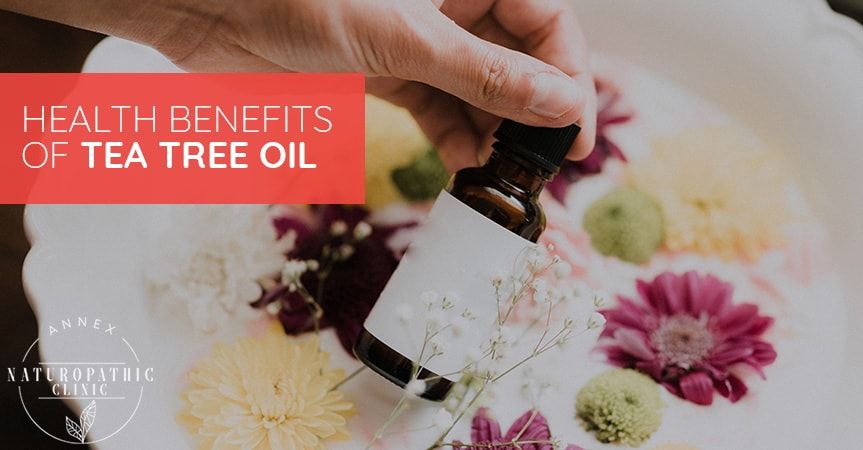
Health Benefits Of Tea Tree Oil

Health Benefits Of Tea Tree Oil | Annex Naturopathic Clinic | Toronto Naturopathic Doctors

Your skin is your body's largest organ, and when you have a skin condition it can be unsightly, and uncomfortable.

Visible skin conditions can impact your self-confidence.

While there are many ways to hide a rash or excessive redness, a naturopathic doctor can help to provide natural skin conditions treatment which help to ease the itch and get to the root of the issue.

Keep reading to learn about tea tree oil, a popular natural treatment for skin conditions.

What Is Tea Tree Oil?

Tea tree oil originates from the Melaleuca alternifolia tree in Australia.

Used topically, or inhaled, however, tea tree oil has a wide range of beneficial uses, which indigenous Australians have been using for thousands of years.

Keep reading to learn more about what this powerful plant can do.

Health Benefits Of Tea Tree Oil

Tea tree oil contains compounds which make it anti-fungal, anti-bacterial, and antiviral.

It also contains properties which stimulate the activity of white blood cells to promote faster wound healing.

Here are some of the top health benefits of tea tree oil.

1. Natural Antiseptic & Wound Treatment

The skin is a barrier which prevents bacteria from entering the bloodstream.

When you have a wound which breaks the skin, it’s important to keep the area clean, and disinfect it to kill bacteria.

You can use a blend of tea tree oil and coconut oil to prevent small cuts and wounds from becoming infected - use one drop of tea tree oil to one teaspoon of coconut oil.

2. Acne Treatment

Tea tree oil can be used as a treatment for acne.

Applying a gel made with tea tree oil to acne spots was found to be more effective than a placebo for reducing them.

When a gel combining 5% tea tree oil was applied to the skin, it was three times better at reducing the number of acne lesions, and six times as effective in reducing their severity.

It has been found to be as effective as benzoyl peroxide, the main ingredient in many common acne medications.

what is tea tree oil good for? | Annex Naturopathic Clinic | Toronto Naturopathic Doctors

3. All-Purpose Cleaner

Due to its antibacterial properties, tea tree oil can be used as an all-purpose cleaner

It’s also much safer than harsh chemical cleaners which you might buy at the store. Many of these cleaners contain endocrine disrupting chemicals which can cause a variety
of hormonal issues.

Here is a simple recipe for a natural, all-purpose cleaner:

● 20 drops of tea tree oil
● ¾ cup water
● ½ cup apple cider vinegar

Combine all ingredients in a spray bottle, and shake well.

Because this mixture will settle, make sure you shake it up each time you use it.

4. May Reduce Skin Inflammation

One form of skin irritation is caused when the skin comes in contact with an allergen.

This exposure can leave skin red, itchy, and painful.

Applying tea tree oil to the skin can help to reduce the severity of symptoms.

Use a mixture of 10 drops of tea tree oil, combined with a tablespoon of extra virgin olive oil, and one tablespoon of coconut oil.

Use this mixture up to two times per day, until symptoms subside.

5. May Help With Psoriasis

Psoriasis is characterized by red, itchy, and scaly skin.

It’s an autoimmune condition, and although there is no cure, topical treatments such as tea tree oil can help to ease the symptoms.

Use a mixture of tea tree oil and coconut oil on the affected area, up to three times per day as required.

Risks Of Using Tea Tree Oil

Overall, tea tree oil is relatively safe to use, however as with any substance there are some cautions to take note of.

Tea tree oil should never be taken orally, as it may be toxic if swallowed.

Additionally, some people may have an adverse skin reaction to it.

If you’re not sure, try a patch test.

Use a small amount on part of your skin, then wait 24 hours. If you don’t see a reaction, you’re probably safe.

It’s also important to use a carrier oil such as coconut oil or extra virgin olive oil alongside essential oils such as tea tree oil.

This is especially important for people with sensitive skin.

Finally, keep your tea tree oil away from your pets, as it can cause adverse reactions in cats and dogs.

Book an Appointment at Annex Naturopathic

Are you interested in tea tree oil, or other natural ways to treat common ailments?

Do you want to reduce your use of drugstore remedies used to treat a skin condition?

Perhaps you are just looking for a natural way to keep your skin healthy.

Annex Naturopathic can help - contact us today and we will help you regain your healthy skin.


If you’re curious to learn more about this subject or would like to consult with one of our NDs feel free to book a visit or contact us.

Yours in Health,

Annex Naturopathic Clinic

572 Bloor St W #201, Toronto, ON M6G 1K1
-https://goo.gl/maps/uVRBvcyoUa62

Annex Naturopathic Clinic is a clinic in Toronto that offers integrative healthcare solutions from Drs. Marnie Luck, ND, and Tanya Lee, ND


Find additional information on health, wellness, naturopathy, and medicine at: naturopathic doctors in Toronto


Sunday, December 29, 2019

The Truth About Sprouted Grains

The Truth About Sprouted Grains | Annex Naturopathic Clinic | Toronto Naturopathic Doctors

An important part of overall health, is healthy digestion, and there are many ways to address this.

Eating foods which are easier to digest means more of the nutrients in food will be absorbed by the body, rather than simply passing through.

One type of food which has many benefits, aside from just being easy to digest, are sprouted grains.

Keep reading while we take a look at why you should consider adding sprouted grains to your diet.

What Is A Sprouted Grain?

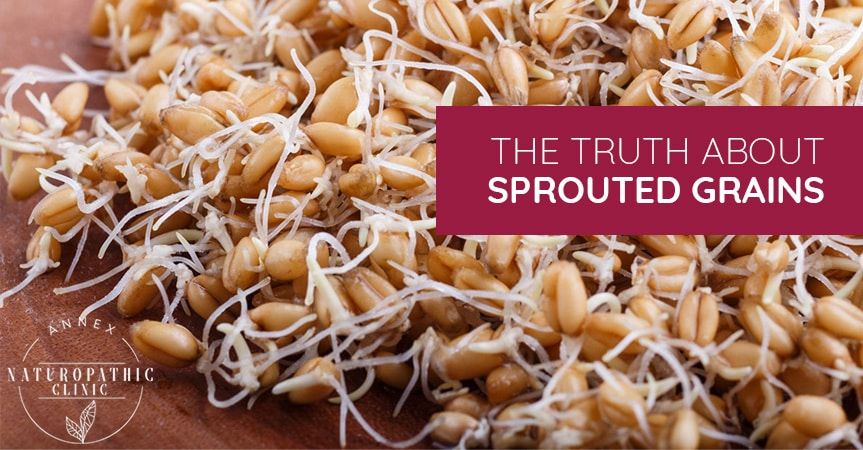
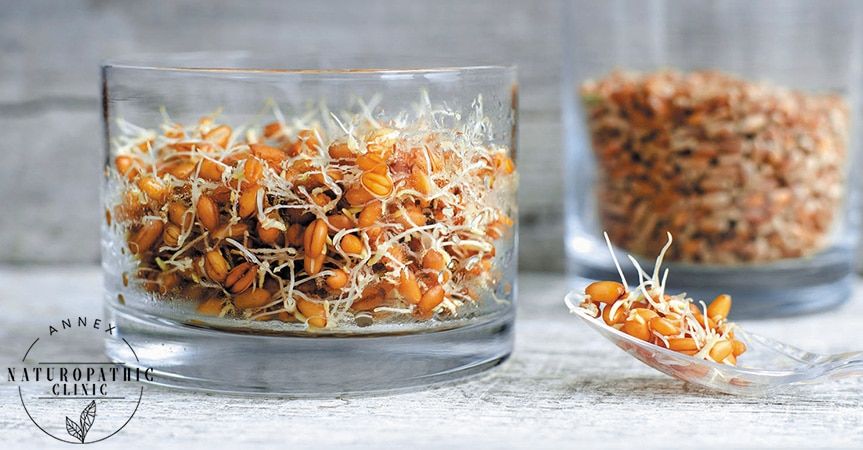
Sprouted grains are exactly what they sound like - grains which have just began to sprout.

Not just a seed anymore, but not quite yet a full new plant, these grains fall somewhere in the middle.

They carry the nutritional benefits of whole grains, however, are also much easier for your system to absorb.

Are Sprouted Grains Healthier Than Regular Grains?

So you’ve probably heard of whole grain bread.

And you likely know that whole grain bread is considered healthier than white bread.

But where do sprouted grains fall?

Containing many of the same nutrients as regular grains, including B vitamins, folate, fibre, and vitamin C, sprouted grains are very nutritious.

However they do much more than regular grains.

For people who have allergies or sensitivities to grains, sprouted grains may be easier for the body to handle.

Additionally, through the sprouting process, certain vitamins become more bioavailable - namely vitamin C.

Health Benefits Of Sprouted Grains

There are many benefits to choosing sprouted grain bread over other types of bread on the store shelf.

Keep reading to learn more about some of the many great reasons to choose sprouted grains.

1. Higher Nutritional Value

The nutritional value of sprouted grains are higher than grains which have not sprouted, and there is a lot of science to back up this claim.

An article in the journal Critical Reviews in Food and Science Nutrition found sprouting grains increases the amounts of enzymes, essential amino acids, and B-vitamins.

Additionally, sprouting decreases starches.

Another study, this one in 2013, showed than when germinated, brown rice is higher in protein and fibre.

Sprouted grains have also been shown to have higher levels of folate, and more antioxidants, according to articles in the Journal of Agricultural and Food Chemistry and the Internal Journal of Food Sciences and Nutrition, respectively.

2. Lower Antinutrient Value

So you probably have a decent idea of what a nutrient is - substances our bodies use to survive and grow.

Antinutrients, on the other hand, diminish the absorption of nutrients and minerals in our bodies.

Too many antinutrients in our systems can lead to deficiencies.

Phytate is an antinutrient found in plant seeds.

When seeds are sprouted, the phytate is degraded, reducing the antinutrients in seeds.

are sprouted grains good for you? The Truth About Sprouted Grains | Annex Naturopathic Clinic | Toronto Naturopathic Doctors

3. Lower Gluten Levels

Gluten-free diets seem to be trendy these days.

For people with Celiac disease, avoiding gluten is a must.

Many people who don’t have Celiac, however, are making the choice to reduce the amount of gluten in their diets.

Sprouting grains can lower the gluten content in wheat by as much as 47%, which means they may be easier for people with gluten sensitivity to tolerate.

4. May Aid In Weight Loss

Due to the breakdown of starch in grains caused by sprouting, sprouted grains are lower in carbohydrates than other types of breads.

A 2012 study in the Journal of Nutrition and Metabolism looked at the response of glucose and insulin levels in overweight men who ate various types of bread.

In this study, consuming sprouted grain breads was found to lower blood glucose levels, as they are lower on the glycemic index than other varieties of bread.

Based on this research, replacing other types of bread with sprouted grain bread may help you to lose weight.

5. Easier To Digest

When grains or seeds are sprouted, the process breaks down starches in the grains, making them more digestible.

Additionally, sprouted grains have higher enzyme levels, which help your body digest foods.

They are also lower in lectins. Lectins are an organic protein naturally occurring in many plants, which is a part of their natural defense mechanism.

Research is revealing the presence of lectins in your body may lead to inflammation, and have been linked with a number of chronic health conditions. This includes celiac disease, rheumatoid arthritis, and diabetes.

When a seed sprouts the plant metabolizes lectins, which makes them easier to digest.

Book An Appointment At Annex Naturopathic

Do you have concerns about your digestive health?

Are you worried that you might have a disorder which is affecting your digestion?

Perhaps you are developing reactions to foods which have never bothered you in the past.

Whatever your issue, Annex Naturopathic is here to help.

Contact us today and y our naturopathic doctor will work with you to develop a treatment plan to get you feeling your best again.

If you’re curious to learn more about this subject or would like to consult with one of our NDs feel free to book a visit or contact us.

Yours in Health,

Annex Naturopathic Clinic
572 Bloor St W #201, Toronto, ON M6G 1K1

-https://goo.gl/maps/uVRBvcyoUa62

Annex Naturopathic Clinic is a clinic in Toronto that offers integrative healthcare solutions from Drs. Marnie Luck, ND, and Tanya Lee, ND


Get more information about health, wellness, naturopathy, and medicine at: naturopath in Toronto