Tuesday, November 5, 2019

Natural Solutions For Colicky Babies

Natural Solutions For Colicky Babies | Annex Naturopathic Clinic | Toronto Naturopathic Doctors

New moms are extremely resourceful, because they have to be. It's why moms lean so heavily on each other for information and support.

Many moms nowadays are looking to natural infant care to complement traditional medicine.

There are many different reasons for this. One we sometimes hear from our patients is that they would prefer non-pharmaceutical strategies to help their babies and their symptoms.

Colic is one of those afflictions where parents are often presented with pharmaceuticals by their medical doctor. As a result, we have many parents turn to us for help finding alternatives to this recommendation.

One of these strategies includes finding out the reason WHY the baby is colicky.

Where does colic come from? Is a crying baby necessarily colicky? And what can you do about it?

Keep reading to find out more.

What Is Colic?

Everybody knows babies cry when they're upset. Whether they're cold, hungry, need their diaper changed, or just need some attention, babies cry. It's what they do.

Colic is the name given to an infant who cries despite there being no obvious reason.

Sometimes, usually in the first few months of life, a baby will cry furiously, despite being well taken care of.

Some people think that it can be a response to the unfamiliarity and overly-stimulating “outside” world. Often, they grow out of it as they acclimatize to life outside the womb.

However, there is no real evidence to measure this effect.

Is A Crying Baby Necessarily Colicky?

Not necessarily. It could be that they need a visit to the doctor to establish if there’s an internal issue. This could be a blockage, an internal injury, or another issue that isn’t readily observable.

However, if your doctor runs tests and can't find anything wrong, they may diagnose colic.

But just because they are crying without obvious reason doesn’t mean there isn’t something to cry about.

It could be that they are experiencing acid reflux (GERD), or gas that refuses to pass, making them feel bloated and exerting painful pressure on their little bodies.

Symptoms Of Infant Colic

A baby who is colicky is one who will cry loudly, ferociously, and often for quite some time.

Bouts of crying often happen in the latter half of the day and evening.

Infants with colic will cry so hard their faces may get red and flushed. They may also ball their hands into fists that shake as they exert themselves.

As well, their bodies can go quite rigid, with a tense stomach, and often their legs will be fully extended and locked straight.

What Causes Colic?

Because colic is the absence of recognizable symptoms, it’s hard to say what causes colic.

It's likely discomfort or pain in the gastro-intestinal system. But since your infant can’t describe it or tell you, they cry instead.

Don’t panic though: colic usually only lasts a few weeks, so you won’t have to deal with this forever.

Stay focused on finding out what the triggers are, trying different treatment options, take note of what works, and build a plan around that.

Natural Solutions For Colic

To help you out, since you may be reading this at 2am after hours of dealing with such a situation, we’ve put together some things you can do.

Some of these are quick solutions, and some are long-term, but knowing about them can help you understand what might be the problem.

how to treat a baby with colic | Annex Naturopathic Clinic | Toronto Naturopathic Doctors

1. An Elimination Diet

Moms who breastfeed are well aware that what they eat ends up in their breast milk.

That’s true for the coffee you finally caved and ordered, but also the milk in that extra-hot, no-foam latte.

Lactose intolerance is fairly common in infants, which means every time you cut another slice of brie, baby is more likely to feel it later.

By starting an elimination diet, you can cut out all possible allergens. From there, you can slowly reintroduce them to figure out which one is causing the problem.

Some new moms discover they need to go dairy-free for the duration. This may be a drag if you're a cheese lover, but it's worth the extra sleep and reduced stress.

One warning about this solution: make sure you speak to your naturopathic doctor before starting. Altering your diet and caloric intake as a breastfeeding mom can be problematic without the proper guidance.

As well, your infant depends on the nutrients delivered through your diet, so you need to make sure you're eating a well-balanced diet.

2. Hold Them Upright After You Feed Them

Holding babies upright in general seems to be favourable, but this is especially important after a feeding.

During feeding, babies tend to swallow less air if they're upright versus lying down. However, this position while feeding can be difficult to manage.

After they finish, hold them upright and help them burp. The easiest way to do this is usually by holding them against your chest with their chin on your shoulder.

Rubbing their back in a gentle motion with the occasional gentle tap will help to release the gas from their tummies.

They may need more than one burp, so if your baby is prone to colic, keep going until you’re sure they’re done.

3. Use A White Noise Machine

White noise machines are great for infants and adults alike, especially when it comes time to fall asleep.

However, for babies, a white noise machine can produce sounds that mimic what they heard inside the womb. This includes waves, which sound like the muffled noise from outside, and mama’s heartbeat.

For an immediate solution, you can always ‘shush’ into your baby’s ear gently, in a rhythmic fashion. This mimics the sound of your heart pumping blood through your body, which baby would have heard.

There are some great YouTube videos for white noise as well. Take a look at this one below - it's 10 hours straight of white noise.

Peep the comments while you're at it. There are loads of parents chatting with each other while they're awake at 3 am because they can't fall asleep and they can't close the video.

Maybe you’ll join in on their chat?

https://www.youtube.com/watch?v=oewj_XEM1js

4. Try A Different Formula

If you’re using formula to feed your infant, then the problem could be the brand and its ingredients.

Try picking up a lactose-free formula, an elemental formula, or one with a different protein source.

Keep in mind that it will take at least two days to notice a change, so you’ll have to have patience to determine success for this remedy.

Another formula trick is to add a little bit of cereal to thicken the formula. This can prevent acid reflux. However you may then need a nipple with a larger hole for the thicker liquid.

Take note that this tip comes with a caveat: speak to your doctor first.

Giving infants cereal too early can cause them to get full too fast and not get enough of the nutrients in the formula that they need to grow.

There will be a delicate balance, and your doctor should first check out your child to ensure they’re healthy enough to proceed with this option.

5. Hold Them Close

Babies love to be held, for the most part. They're almost always happier when snuggled in someone’s arms than when they’re left alone.

It’s part of how they become socialized, develop emotions and learn.

However, some babies are born with a natural separation anxiety. This means if you put them down, they get uncomfortable with being alone.

If your baby is being particularly colicky, try holding them to stop the crying.

As well, anecdotal reports suggest that spending more time holding a baby in the early part of the day can help them be more settled at night.

Contact Annex Naturopathic

We know that being a new mom is a trying, exhausting, wonderful affair that can bring unusual challenges such as colic.

Call now to book a consultation with Annex Naturopathic to discuss your diet, how it’s affecting your infant, and how we can help.

If you’re curious to learn more about this subject or would like to consult with one of our NDs feel free to book a visit or contact us.

Yours in Health,

Annex Naturopathic Clinic
572 Bloor St W #201, Toronto, ON M6G 1K1

-https://goo.gl/maps/uVRBvcyoUa62

Annex Naturopathic Clinic is a clinic in Toronto that offers integrative healthcare solutions from Drs. Marnie Luck, ND, and Tanya Lee, ND


Read more ideas on health, wellness, naturopathy, and medicine at: naturopathic doctors


Friday, October 18, 2019

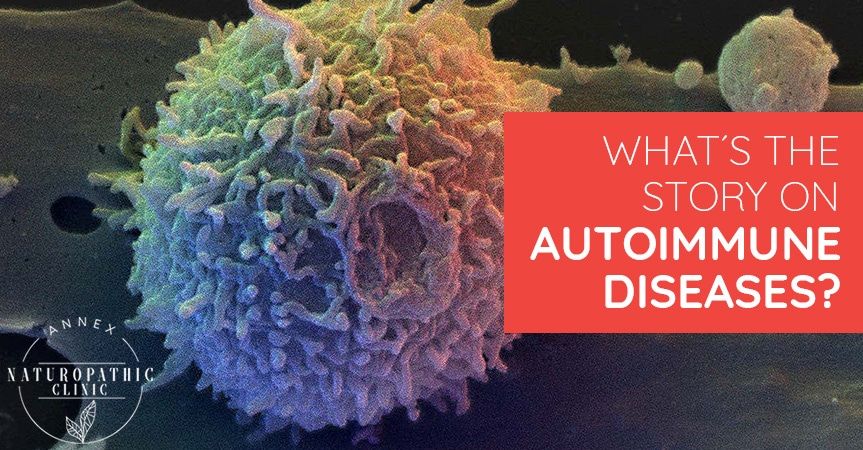
What’s The Story On Autoimmune Diseases?

What's The Story On Autoimmune Diseases? | Annex Naturopathic Clinic | Toronto Naturopathic Doctors

Autoimmune diseases have a bit of mystery around them, which so you might not fully understand what they are.

This is partially because autoimmune conditions have an unknown cause.

Despite this, though, and thanks to a great deal of diligent study, medical researchers have uncovered a good deal of intel on them. This helps your naturopathic doctor to put together a treatment plan that can help.

There are currently no known cures for autoimmune diseases. There are, however, ways to make them easier to live with. This is how your naturopathic doctor can help.

Let's talk more about autoimmune diseases. What they are, where they come from, and some information on the more common autoimmune conditions.

What Is An Autoimmune Disease?

An autoimmune disease is a disease that affects the immune system. Rather than fighting off invaders in form of viruses and illnesses, an autoimmune condition causes your body to attack its own tissue.

It’s unknown what triggers this event. Autoimmune disease results in the immune system not being able to differentiate between foreign cells and host (your own body’s) cells.

Often, these immune responses are specifically-located. In other words, one type of cell or body part is being mistaken for something dangerous.

Because the cause is unknown, treatments usually focus on trying to manage symptoms and triggers.

What Causes Autoimmune Diseases?

Although we don’t know what actually causes an autoimmune disease, we do know that some of them are hereditary.

For instance, lupus and multiple sclerosis run in families. Not everyone in the family will have the disease, but you're more likely to develop this condition if your close relatives did.

Another working theory is that autoimmune diseases are related to exposure to chemicals and solvents.

Autoimmune diseases have been steadily increasing over the recent years. This suggests there is an environmental cause.

Another course of study suggests that the rising diagnosis of autoimmune conditions may be related to our high-fat, high-sugar, highly-processed Western diet.

The more scientists understand our gut microbiome, the more we learn about how it influences our many other systems, including our immune systems.

Who's At Risk For Autoimmune Diseases?

Studies have shown there are certain people more likely to get an autoimmune disease.

For instance, ethnic groups. Lupus is more prevalent among those of Hispanic and African descent.

As well, cis women deal with with autoimmune diseases twice as often as cis men.

Finally, if you’re a woman who is prone to getting an autoimmune disease, it’s more likely to manifest during childbearing years.

How Many Autoimmune Diseases Are There?

Because autoimmune diseases can be localized to a specific area of the body, they are categorized as unique diseases.

To-date, there are at least one hundred different autoimmune diseases commonly accepted.
Below we’ve explored a few of most common.

The effects of autoimmune disease | Annex Naturopathic Clinic | Toronto Naturopathic Doctors

1. Rheumatoid Arthritis

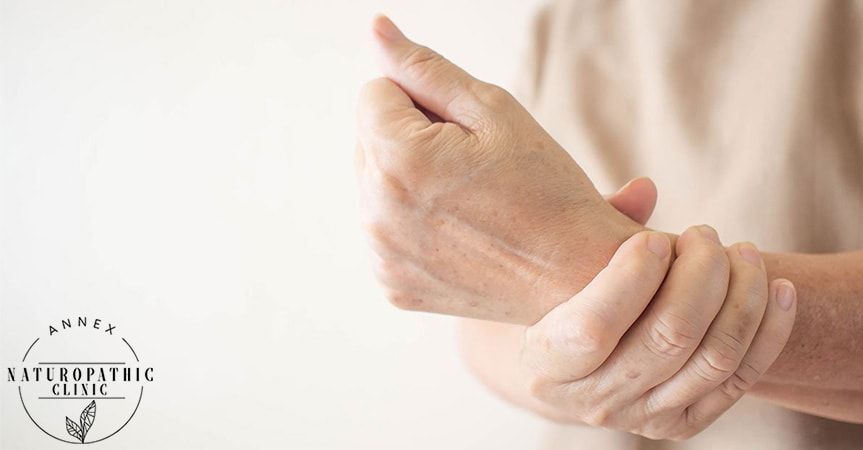
Arthritis is famously what causes sore, stiff joints.

However, it's usually associated with old age. That's a different condition - osteoarthritis. Rheumatoid arthritis, on the other hand, can affect people at any age.

Treatments for rheumatoid arthritis focus on reducing the redness, swelling and associated pain.

2. Multiple Sclerosis

Multiple sclerosis attacks the protective coating around nerve cells (called the myelin sheath).

When this sheath is damaged, it slows the transmission of signals between your brain and spinal cord.

The result includes symptoms of weakness, numbness, and difficulty with balance or walking.

3. Psoriasis

Psoriasis is a skin-specific autoimmune disease. That means the immune system attacks cells in the epidermis.

This creates red, itchy patches with a scaly skin buildup resulting from the over-activity of the skin attempting to reproduce and heal. The skin is often raised and inflamed, but it can range in severity from mild and painless to severe and, in rare cases, life-threatening.

4. Inflammatory Bowel Disease

Inflammatory bowel disease (IBD) describes the inflammation of the lining of the intestinal wall.

However, IBD is an umbrella term. It refers to different types of inflammatory bowel disease that affect different parts of the gastrointestinal tract.

Some of the more common conditions you may have heard of include:

• Ulcerative colitis - which primarily affects the colon and rectum
• Crohn's disease - which can attack any part of the GI tract
• Celiac disease - which primarily affects the small intestine

5. Graves' Disease

Graves’ disease is an autoimmune disease that affects the thyroid gland. Your thyroid regulates the hormones related to your metabolism.

When you have Graves’ disease, your thyroid overproduces these hormones, causing a condition called hyperthyroidism. This can cause a wide range of symptoms, including:

Anxiety
• Tachycardia
• Heat sensitivity
• Unexpected weight loss
• Menstrual fluctuations
• Chronic fatigue
• Heat intolerance
• Nervousness

Contact Annex Naturopathic

If you’ve been diagnosed with an autoimmune disease, naturopathic medicine can complement your medical treatment for it.

If you’re concerned you may have an autoimmune disease, call Annex Naturopathic now to get a consultation.

One of our doctors will be able to help you understand what's happening to your body. From there, we'll explore the next steps and treatments targeted to your case.


If you’re curious to learn more about this subject or would like to consult with one of our NDs feel free to book a visit or contact us.

Yours in Health,

Annex Naturopathic Clinic

572 Bloor St W #201, Toronto, ON M6G 1K1
-https://goo.gl/maps/uVRBvcyoUa62

Annex Naturopathic Clinic is a clinic in Toronto that offers integrative healthcare solutions from Drs. Marnie Luck, ND, and Tanya Lee, ND


See more tips on health, wellness, naturopathy, and medicine at: naturopath in Toronto


Friday, October 4, 2019

Natural Solutions For Acne

Natural Solutions For Acne | Annex Naturopathic Clinic | Toronto Naturopathic Doctors

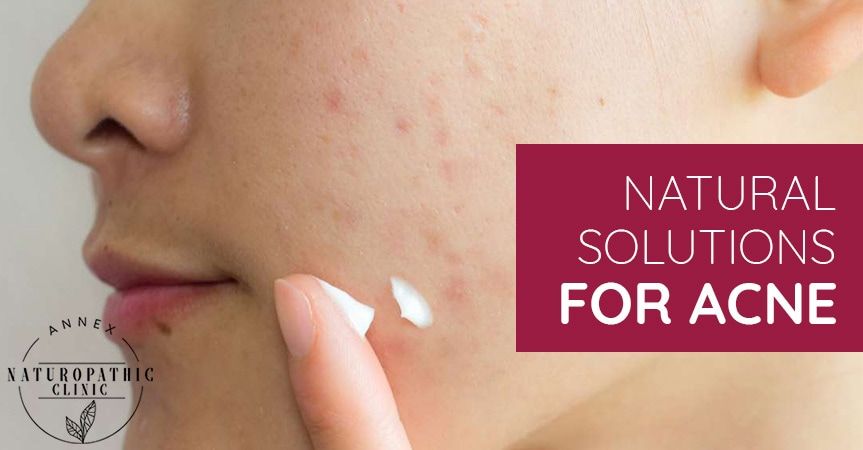
Acne hits us at different times of life – most commonly during puberty, but as early as infancy and as late as old age.

If you're a new mom, you might be seeing the return of an old acquaintance you thought you'd long been rid of. Among all the other stresses and anxieties of pregnancy, acne is the icing on the cake.

So if you come to us for help with natural health care for your child or baby, acne might be on your mind as well.

So let's talk about acne. What is it, what causes it, and what you can do about it.

What Exactly Is Acne?

Acne occurs when the skin’s sebaceous glands secrete enough oil that it plugs your pores.

Large pores or openings generally result in blackheads, while small pores become whiteheads.

It doesn't matter which you experience, though. All forms of acne are unpleasant. They can all lead to inflammation, tenderness, and infection.

What Causes Acne?

There are two main causes for acne: heredity and hormones.

If your parents have acne, there's a good chance you'll face it as well. You'll have to do the best you can with the genes you have.

Hormones, on the other hand, fluctuate all the time. Depending on the month, the day, or the stage of life you're in, your hormones will fluctuate. It doesn't matter what gender you are.

These hormone fluctuations can lead to skin acne. This is part of the reason why teenage acne is so common - puberty is a time of heavily fluctuating hormones.

Puberty lasts to the early twenties, when puberty-related acne will wane and stop. However, keep in mind that adult acne still accounts for 20% of cases, so you may not ever truly be in the clear.

Aside from the above, bacteria can also cause problems. If the excess sebum closes the openings for your hair follicles, bacteria can lead to whiteheads or blackheadds.

Hair follicles clogged in this way are called comedones. If the bacteria grow into these comedones and builds up too much, it can cause the follicle wall to break and leak into nearby tissues.

This turns into a pustule or papule, and is called inflammatory acne. Larger, more severe pustules are called nodules.

One last cause of acne can be your choice of contraceptive. Oral contraceptives, injectable contraceptives and IUDs can cause acne for some women, but might actually clear it up for others.

What DOESN'T Cause Acne?

Now that we know what causes acne, it's time to dispel some of the myths around this troublesome skin condition.

First off, food. You may have heard binging on fried food and chocolate will cause acne outbreaks. This myth is common, but untrue.

What's more likely is that you went for the junk food because of a change in your hormones. And as we mentioned above, hormonal changes can lead to acne breakouts.

Likewise, stress isn't a direct cause of acne. If you've never dealt with acne before - you lucky devil - a stressful period is unlikely to cause acne.

However, it is clear that stress and a poor diet can aggravate your acne. So it's worth considering both when you're dealing with an outbreak.

Natural Solutions For Acne

There are pharmaceutical creams and pills that can help with acne. However, these tend to come with side effects that make them less attractive.

Instead, consider the many natural solutions – below are a few to get you started.

treat your acne naturally | Annex Naturopathic Clinic | Toronto Naturopathic Doctors

1. An Elimination Diet

While food doesn’t directly cause acne, it seems it can increase the odds of getting it.

In this case, dairy products seem to increase the chances in people ages 7-30. This may be because of all the hormones in milk, or due to an inflammatory response to an intolerance.

It’s for this reason naturopathic doctors often recommend an elimination diet. This is how to find out what foods aggravate your body’s natural hormone cycles, triggering acne breakouts.

To do this, you start with two weeks of a bland diet. The idea is to cut out anything that might be a typical allergen or cause an inflammation response in your body.

Once you have a baseline for what’s normal, you start to gradually add back foods, one at a time. All the while, pay close attention to the effect they have on your body, and in this case, your acne.

2. Tea Tree Oil

Tea tree oil has antiseptic qualities. It's a naturally-derived product that comes from Australia.

Mix one part tea tree oil with nine parts water, and then dip a cotton swab and apply it to your acne; repeat once or twice a day.

Compared to other topical solutions – such as benzoyl peroxide – it may not work as fast. However, it also has fewer negative effects, such as dryness, irritation and burning.

If used consistently over a couple of months, it can have a significant impact on acne, and can be an effective treatment for mild and moderate acne.

3. Address Digestive Issues And Nutrient Deficiencies

As we pointed out in the elimination diet tip, the food going into your body can increase your chances of getting acne.

In this particular case, zinc supplements lead to a discernible reduction of acne after eight weeks.

Improving your diet so that your body is not stressed can help to reduce your acne. We’ve blogged extensively about the digestive system and gut health, and how it impacts all kinds of disorders and conditions – and acne is no different.

4. Reduce Stress

Stress causes a hormonal response in your body. This response can increase sebum production and skin inflammation, which makes acne worse.

There have been studies that have proven a significant link between stress and the severity of acne, especially in men.

Not only can it impact the severity of your acne, it can also slow down the healing process of lesions by up to 40%.

Some good ways to reduce your stress to help calm your skin include:

• Fitting in some physical activity
• Meditate or practice yoga
• Deep breathing
• Get more good-quality sleep

5. Exfoliate Your Skin

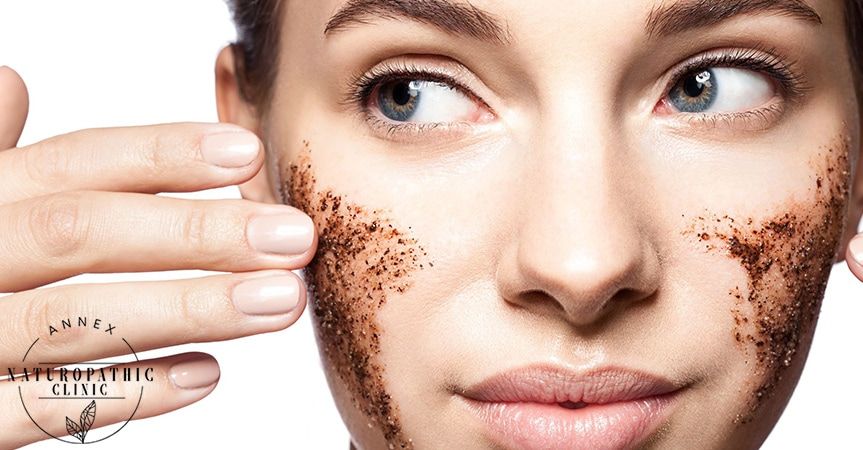
Exfoliation is the process of removing the top layer of skin from the epidermis. You can use a brush, with a scrub, or through applying a thin layer of acid to dissolve the dead skin cells.

It’s thought that by removing these dead cells, it allows medications, creams and treatments to penetrate better.

As well, it prevents clogging of pores with sebaceous deposits that can lead to blackheads or whiteheads.

While the research is limited, small studies have shown exfoliation treatments lead to clearer skin. In one study, 96% of the participants were happier with their complexions than before exfoliating.

To make your own at home, rather than pay for expensive treatments, mix equal parts sugar or salt with coconut oil.

Use this mixture to scrub your skin thoroughly, then rinse well; you can do this once daily to help reduce your acne.

Contact Annex Naturopathic

The nice thing about seeing a naturopathic doctor is that we pull on a wide variety of aids in helping you with your concerns and conditions.

The truth is that different people need help in different ways, and we’re happy to explore what works for you.

If you’re suffering from acne that’s making you want to hide away, call Annex Naturopathic now to book your appointment. We’ll help you put your best face forward again.

If you’re curious to learn more about this subject or would like to consult with one of our NDs feel free to book a visit or contact us.

Yours in Health,

Annex Naturopathic Clinic
572 Bloor St W #201, Toronto, ON M6G 1K1

-https://goo.gl/maps/uVRBvcyoUa62

Annex Naturopathic Clinic is a clinic in Toronto that offers integrative healthcare solutions from Drs. Marnie Luck, ND, and Tanya Lee, ND


Find additional tips on health, wellness, naturopathy, and medicine at: naturopath Toronto


Wednesday, October 2, 2019

Naturopathic Solutions For Psoriasis

Naturopathic Solutions For Psoriasis | Annex Naturopathic Clinic | Toronto Naturopathic Doctors

Psoriasis isn’t generally a life-threatening condition. But it can still be severe enough to greatly impact people’s lives.

Unfortunately for those who suffer, psoriasis has no known cure. This is partly because it has no known cause.

That’s why people often turn to natural solutions for skin conditions such as psoriasis – because it’s sometimes the only help they can get.

Read on to find out more about psoriasis, and some natural solutions to help.

What Is Psoriasis?

Psoriasis is your body’s immune system attacking its own skin cells. It’s not clear why this happens.

There is no cure for psoriasis. The typical conventional treatments for psoriasis work to suppress your immune reaction. This has the effect of reducing the severity of the inflammation. These only help within a limit, and are often riddled with unwanted side effects.

While we understand that there are certain reasons why someone may have to be on these medications to control your symptoms, there are also natural solutions can help you manage your symptoms.

Types Of Psoriasis

There are different types of psoriasis, all with different symptoms, locations and triggers.

If you suffer from psoriasis, but you don’t know which, here’s an overview:

Plaque Psoriasis

To give you some idea, there are roughly 7.4 million Americans with psoriasis. Of those, 80% have plaque psoriasis (the rate is similar in Canada).

Plaque psoriasis shows up with red, inflamed patches, which will often have scales on top.

Plaque psoriasis is most often found on elbows, knees and scalp.

Guttate Psoriasis

This form of psoriasis is most common in childhood, and causes small pink spots on the skin.

Unlike other forms of psoriasis, guttate spots are not usually raised or inflamed.

Children will often develop guttate psoriasis on their arms, legs and torso.

Pustular Psoriasis

Pustular psoriasis is just like it sounds: it looks like white, pus-filled blisters.

It is often surrounded by red and inflamed skin.

Pustular psoriasis is most frequently found on the hands and feet, and is more common in adults.

Inverse Psoriasis

Instead of being white and crusty, inverse psoriasis is patches of bright red, shiny, inflamed skin.

It usually breaks out in areas where the skin folds. For example: under the breasts or armpits, or around the genitals and groin.

Erythrodermic Psoriasis

This is the one type of psoriasis that is so severe it can actually be life threatening, but it is luckily very rare.

This type can develop suddenly, and covers entire sections of the body all at the same time.

The skin may appear sunburned, but it will develop scales that fall off in entire sheets or sections. This can be dangerous.

People who develop erythrodermic psoriasis can become very sick, develop infections, and run a fever.

If you develop erythrodermic psoriasis, please see a doctor immediately.

Symptoms Of Psoriasis

Symptoms are an obvious buildup of skin in the form of scale.

The scale often comes with redness and itchiness.

Whatever it is that triggers the immune system, it focuses on a patch of skin, and starts producing extra skin cells in an attempt to ‘repair’ the perceived issue.

These scales can get dry and crack, which can also cause its own pain.

What Causes Psoriasis?

Psoriasis is still a bit of a mystery to scientists and doctors. The most commonly accepted theory currently is that it’s caused by an overactive immune response.

Psoriasis is a hereditary condition, so if your parents suffer from it, you’re more likely to have or develop it.

As well, it seems to worsen in response to stress or other triggers, although these aren’t technically a cause of psoriasis.

However, the fact that these can worsen your case is enough of a reason to be aware of your stress levels. Consider other factors that may affect your condition as well. These may include alcohol, hormones and cold weather.

Is Psoriasis Contagious?

The short answer is: no, it’s not at all contagious, so you can feel free to hug that friend.

It may look suspicious, due to the redness of the skin. But it's unlike other skin conditions you need to be wary of, as it’s completely harmless to anyone who doesn’t already have it.

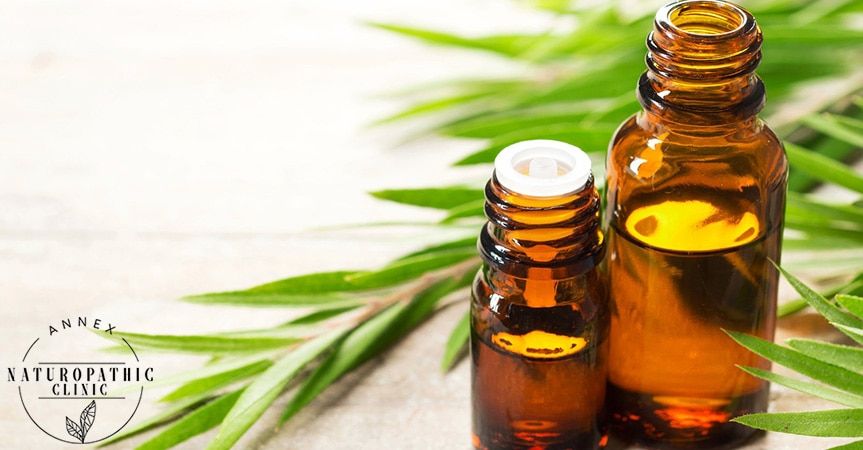
natural oils to treat psoriasis | Annex Naturopathic Clinic | Toronto Naturopathic Doctors


Natural Solutions For Psoriasis

Because there is currently no known cure, we need to look at ways to deal with the symptoms. This includes reducing the frequency of flare-ups, scale build-up, and itchiness.

Here are some natural ways to manage your psoriasis, all topical.

If you’re ever advised to take any treatment, be sure to speak with your doctor. Certain medications - natural or otherwise - can interfere with other medications or be harmful for pregnant women.

1. Tea Tree Oil

Tea tree oil is a natural antiseptic that has many uses.

It's gentle enough to apply directly to your skin, unless you’re allergic to it.

Shampoos with tea tree oil are a good way to deliver its helpful properties to scalp psoriasis as well. It has the added bonus of being a barrier to catching head lice.

Although many people report relief with tea tree oil, there are few scientific studies to prove it.

2. Oregon Grape

Oregon Grape – also known as Mahonia – is an herb with antimicrobial properties.

Make sure not to ingest this herb without medical supervision. Instead, apply it to the skin in a cream solution with 10% Oregon Grape.

The cream has been shown to be an effective treatment for mild to moderate psoriasis.

3. Apple Cider Vinegar

Organic apple cider vinegar is another good option. It can help reduce itchiness caused by scalp psoriasis, as well as other kinds of psoriasis.

Apply it to your scalp or skin several times a week. Be sure to rinse the area after application has dried, to avoid possible irritation.

If you feel a burning sensation when you apply the apple cider vinegar, dilute it with water in a 1:1 ratio.

One last note: if you have cracked or bleeding skin, don’t use apple cider vinegar. It's going to hurt, a lot.

4. Curcumin

Curcumin is a powerful anti-inflammatory and antioxidant.

It's an excellent natural way to fight inflammation in many forms, including the inflammation from psoriasis.

You can get curcumin in pill or supplement form. However, you can also find it in your spice cabinet – it’s the active ingredient in turmeric.

For better results, eat turmeric along with black pepper. The latter will increase the bioavailability of the curcumin.

5. Aloe Vera

Aloe vera has been used for generations to help with skin conditions and injuries.

Research has proven it can help reduce redness and some of the scaling that patients with psoriasis suffer from.

You can put the gel from the plant itself directly on your skin, or look for a cream that contains .5% aloe.

If you suffer from psoriasis, consider keeping an aloe plant in your home as a great backup to other remedies. Just don't forget to water it every so often.

Contact Annex Naturopathic

If you’ve found your way here because you suffer from psoriasis, you’ve come to the right place.

Call Annex Naturopathic now to book a consultation. We can help you explore natural solutions to your psoriasis.


If you’re curious to learn more about this subject or would like to consult with one of our NDs feel free to book a visit or contact us.

Yours in Health,

Annex Naturopathic Clinic

572 Bloor St W #201, Toronto, ON M6G 1K1
-https://goo.gl/maps/uVRBvcyoUa62

Annex Naturopathic Clinic is a clinic in Toronto that offers integrative healthcare solutions from Drs. Marnie Luck, ND, and Tanya Lee, ND


Find more tips about health, wellness, naturopathy, and medicine at: Annex Naturopathic Clinic Toronto


Thursday, September 26, 2019

5 Supplements For Immune System Health

5 Supplements For Immune System Health

When we talk about eating to “stay healthy,” we're talking about eating food that supports our immune system. After all, it's our immune system that keeps us healthy.

Many people see naturopathic doctors to better understand what they need to do to strengthen their immune system.

Here are a few tips to make your immune system’s job easier.

What Does Your Immune System Do?

Your immune system is your body's defense against illness and infections.

Its job is to recognize structures that don’t belong in your bloodstream, work to remove them, and then remember this foreign structure so it’s properly equipped to fight it off if it comes back.

There are conditions where the immune system functions too weakly, and then other conditions when the immune system works “too well”.

One example when this system works too well is seasonal allergies. Pollen will trigger an immune response (when not necessary) that causes all the symptoms we endure.

Another example of this is in autoimmune disease. Your immune system becomes confused between what is foreign and what is “self” and starts attacking your own cells. This can cause all kinds of difficult-to-manage symptoms.

There are many different autoimmune diseases. Some of the more common ones include rheumatoid arthritis, celiac disease, Hashimoto's thyroiditis, and lupus.

What Happens When Your Immune System Is Weak?

The immune system needs to get the right nutrients to be in fighting form.

When it’s starved of what it needs, it grows weaker and weaker, until it is unable to properly combat viruses or illnesses.

Your body uses white blood cells – called macrophages – to patrol your body. They’re your first line of defense.

However, sometimes a virus can get by these cells and infect your system. This means your body needs stronger cells: T cells and B cells.

A healthy body will make upwards of a billion white blood cells every single day. But if it can’t produce enough, it can't mount an effective defense response.

Viruses are more likely to get past the macrophages if there aren’t enough of them to patrol properly.

If your body doesn't produce enough T cells and B cells, it may not be able to give you the “acquired immunity” to the virus. This means the same viral strain could make you sick again in the future.

5 Nutrients To Strengthen Your Immune System

So you see why it’s so important to ensure that your immune system gets the fuel it needs to function.

The good news is a healthy diet rich in the nutrients can help.

Read on below for our top five recommendations for a healthy immune system.

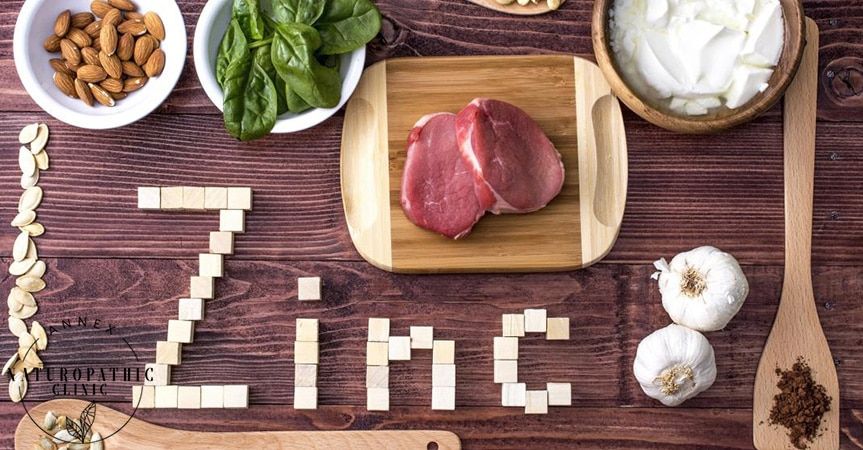
foods good for immune health | Annex Naturopathic Clinic | Toronto Naturopathic Doctors

1. Vitamin C

We’ve heard it for years growing up: if you’re getting sick, you should start taking vitamin C.

But the truth is that if you’re getting sick, it’s too late – you need preventative vitamin C to stave off a cold.

You can get your vitamin C from citrus fruits, as just about everyone knows. But there are more plentiful sources, like kale, spinach, Brussels sprouts, and strawberries.

Last tip for vitamin C: save your money on supplementing. Many foods contain enough to keep you healthy.

Instead, take that money and invest it in other supplements for vitamins your body CAN’T absorb as easily, such as our next vitamin.

2. Vitamin D

Your doctor may have recommended vitamin D to you. This is because if you live in Canada, you're probably deficient in vitamin D

Do your best to take in vitamin D in the form of flax and fatty fishes, such as salmon, tuna, sardines and mackerel. But for most, you'll need to supplement.

Not only can it help with your immune system, vitamin D can lift your mood. This can, in turn, have a positive effect on your immune response.

3. Iron

Although vegetarians and vegans have to be extra mindful of their iron intake, it might surprise you how much iron you can get from non-meat sources.

Kale, broccoli and beans are all excellent sources of iron.

For omnivores, you can get a massive dose of iron from oysters and other seafoods, or from lean poultry such as chicken and turkey.

4. Zinc

Zinc is a superhero among immunity-boosting vitamins. It helps slow down overactive immune responses, while also controlling inflammation.

Slowing an overactive immune response may seem like a counterproductive action for when you’re sick. You may be surprised to learn, though, that most of your symptoms while you’re sick is produced by the immune response, not the infection itself.

Slowing down the immune response means that Zinc can keep the immune system active enough to fight off the infection, but control the immune response enough that your symptoms are not out of control.

Oysters once again top the list, as well as lean meats and poultry, crab, beans, chickpeas, pumpkin seeds, and yogurt.

5. Selenium

Like zinc, selenium can slow the overactive immune response.

Get your selenium intake through sardines, tuna, garlic, broccoli, and Brazil nuts.

Contact Annex Naturopathic

If you’ve been feeling under the weather more often than not lately, it could be a problem with your immune system.

It might be time to boost your immunity with supplements and an improved diet.

Call Annex Naturopathic now to book an appointment. Let's create a personalized, targeted strategy to boost your immune in time for winter.

If you’re curious to learn more about this subject or would like to consult with one of our NDs feel free to book a visit or contact us.

Yours in Health,

Annex Naturopathic Clinic
572 Bloor St W #201, Toronto, ON M6G 1K1

-https://goo.gl/maps/uVRBvcyoUa62

Annex Naturopathic Clinic is a clinic in Toronto that offers integrative healthcare solutions from Drs. Marnie Luck, ND, and Tanya Lee, ND


See additional ideas about health, wellness, naturopathy, and medicine at: naturopath Toronto


Sunday, September 22, 2019

Is Your Child Deficient In Vitamin D?

Is Your Child Deficient In Vitamin D? | Annex Naturopathic Clinic | Toronto Naturopathic Doctors

Vitamin D keeps our bones strong and healthy.

But did you know it's also one of the most common vitamin deficiencies, especially in Canada?

Vitamin D deficiency is an issue affecting people of all ages, but especially children and teens.

Whether it's due to lack of sunlight or picky eating, it's important to ensure your child has sufficient vitamin D.

It's necessary for a lot more than bone growth.

But what are the signs and symptoms of a vitamin D deficiency? And what can you do to make sure your child has all the necessary nutrients?

You can find answers by contacting a naturopath for children in Toronto.

Keep reading to learn more about this all-too-common vitamin deficiency.

What Is Vitamin D?

Vitamin D is an essential vitamin your skin produces, or synthesizes, after sunlight exposure.

After it's synthesized, your liver and kidneys transform it into the vitamin D your body needs.

Vitamin D is important for many reasons. It helps you absorb other vitamins and minerals, first of all.

For example, it increases your gut absorption of calcium, magnesium, phosphate, and others.

It's also necessary for healthy bone growth, cardiovascular health, balancing hormones, and helping your immune system function properly.

There are many benefits to making sure your child has enough vitamin D in their system.

These benefits include:

May reduce risk of multiple sclerosis, or MS
• May reduce risk of certain types of cancer, including colon and breast cancer
• May reduce risk of contracting the common cold
• May improves lung function, especially in those with asthma and/or COPD

What Are The Symptoms Of Vitamin D Deficiency In Children?

The most common symptoms of a vitamin D deficiency you should keep an eye out for in your child are chronic fatigue and frequent illness.

Severe vitamin D deficiencies happen, but they are quite rare. If left untreated, they can cause bone diseases such as rickets or osteomalacia.

Additionally, having a lack of vitamin D may cause a delay in the age your child starts walking.

When it comes to infants, low levels of vitamin D are linked to low birth weights.

If your young one is always exhausted or comes down with a cold more often than you'd expect, consider getting them tested for a vitamin D deficiency.

vitamin D deficiency in children and babies | Annex Naturopathic Clinic | Toronto Naturopathic Doctors

Risk Factors For Vitamin D Deficiency

There are a few risk factors that may increase your child's chances of developing a vitamin D deficiency.

These factors include:

Insufficient sun exposure

You need sun exposure to generate the vitamin D your body needs.

But for those of us who live in Toronto, there isn't much direct sunlight for much of the year.

In fact, the higher you live in latitude, the greater your risk of vitamin D deficiency.

Even for those who live in tropical climates, though, our modern habits of spending most of our time indoors can cause vitamin d deficiency.

Obesity

Especially in children, excess body weight is associated with vitamin D deficiency.

This 2013 study highlights this.

In general, obesity is becoming a larger issue. According to this 2016 study, one Canadian child in seven was found to be overweight or obese.

Darker skin tone

Melanin is known to naturally block UVB rays and interfere with vitamin D production.

As a result, those with more melanin in their skin are at greater risk of being deficient in vitamin D.

How Common Is Vitamin D Deficiency In Children?

Unfortunately, vitamin D is one of the most common deficiencies in Canada. This includes children.

This is particularly problematic because vitamin D is necessary for healthy bone growth. So you want to ensure your child has all the building blocks necessary for their well-being.

Although this 2011 study doesn't cite a specific number, it does say that vitamin D deficiency among children is "common".

Should You Give Your Child Vitamin D Supplements?

Before you start shopping for supplements, it's best to know exactly how much vitamin D your child needs. Getting them tested for vitamin deficiencies is a great way to do this.

This is a common and simple blood test that your naturopathic doctor or family doctor can order for you.

If you have a baby who is formula-fed, however, most formulas on the market are fortified with vitamin D.

The general rule for breast-fed infants is to take 400 IU of vitamin D every day to prevent deficiency.

For children over the age of 1 year (and adults, up to age 70), the Institute of Medicine recommends 600 IU of vitamin D daily.

However, these are just guidelines. Not medical advice.

Vitamin and mineral supplements can boost your health, but you should consider consulting a naturopathic doctor when incorporating them into your family's routine.

Contact Annex Naturopathic

Vitamin D deficiency is one of the most common vitamin and mineral deficiencies affecting children. It can seriously impact bone growth, respiratory health, and overall well-being.

Is your little one is feeling sluggish or fatigued? Are they not feeling their best? If so, consider having them tested for a vitamin D deficiency.

Thankfully, there are natural solutions to help you and your family deal with vitamin deficiencies.

Contact us at Annex Naturopathic for all-natural treatment options.

We can tell you all there is to know about vitamin and mineral deficiencies, how they affect your health, and how you can get your family on the path to wellness.

We understand the importance of your child's health and well-being, and we can help.

Contact Annex Naturopathic today.


If you’re curious to learn more about this subject or would like to consult with one of our NDs feel free to book a visit or contact us.

Yours in Health,

Annex Naturopathic Clinic

572 Bloor St W #201, Toronto, ON M6G 1K1
-https://goo.gl/maps/uVRBvcyoUa62

Annex Naturopathic Clinic is a clinic in Toronto that offers integrative healthcare solutions from Drs. Marnie Luck, ND, and Tanya Lee, ND


Find more info about health, wellness, naturopathy, and medicine at: naturopathic clinic in Toronto


Thursday, September 19, 2019

Does Your Baby Have A Food Allergy?

Does Your Baby Have A Food Allergy? | Annex Naturopathic Clinic | Toronto Naturopathic Doctors

What you eat affects not only you and your health, but the health of your baby as well.

Food allergies and sensitivities are a tricky one to figure out - they are difficult to pinpoint and difficult to effectively treat.

If you suspect your baby is experiencing a food allergy, contact a Toronto children’s health naturopath for natural solutions.

In the meantime, let's take a closer look at infant food allergies and sensitivities.

What are the symptoms? How are they developed? And how can you help your baby feel better?

Read on to find out.

Do Food Allergies Pass Into Your Breast Milk?

Certain food proteins pass to your baby through your breast milk. This can result in an allergic or sensitive reaction in your baby to that food.

Additionally, if one of the child’s parents have food allergies, the infant is more likely to have one as well.

Some foods are more likely to cause reactions than others. These include cow's milk, peanuts or tree nuts, gluten, soy, eggs, corn, fish, and shellfish.

In babies and young children, the most common food sensitivity/allergy to develop is to cow's milk.

A recent study conducted by the World Allergy Organization found that infants who are breast-fed exclusively are less likely to develop an allergy/sensitivity to cow's milk.

The study concludes that mothers of breast-fed infants with a cow's milk allergy should continue breast-feeding, but avoid foods containing cow's milk protein.

What Happens When Your Baby Has A Food Allergy?

There are various types of food allergies and immune reactions that may affect your baby.

The true allergy is the rarest and most serious form of allergic reaction.

This immune reaction (typically known as an anaphylactic reaction) happens quickly – within 2 hours of consuming food – and can result in anaphylaxis.

Food sensitivities are much more common than true allergies and the symptoms they produce are much less scary. Their symptoms can occur anywhere between a few hours to a few days after food intake.

Although food sensitivity reactions are immediately life-threatening, they have a few possible effects that can affect your body in the long term. Common consumption these foods can increase gut inflammation, alter your baby's immune balance, leading to discomfort and weakened immunity in your child.

When your little one is suffering from a food allergy or sensitivity, the symptoms can manifest in many different ways.

Let's take a more in-depth look at the symptoms of infant food allergies.

Symptoms Of Food Allergies In Babies

The primary symptom of the rare and life-threatening true food allergy is anaphylaxis. It's important to be aware of the signs and symptoms.

Symptoms of anaphylaxis include:

• Difficulty swallowing and breathing
• Puffy, swollen lips and eyes
• Hives
• Diarrhea, vomiting, and/or abdominal pain
• Itchy mouth

If your baby is experiencing the above symptoms, contact emergency health services immediately.

As we mentioned earlier, the symptoms of food sensitivity reactions are more delayed and less serious than true allergies.

Typically, the following symptoms will occur if your little one is experiencing a reaction to a food sensitivity.

The most common signs of food sensitivity in an infant include:

Dermatological symptoms – hives, rashes, and eczema
Gastrointestinal symptoms – diarrhea, constipation, failure to thrive, colic or irritability, vomiting, food protein-induced enterocolitis syndrome (or FPIES), lack of appetite
• Respiratory symptoms – chronic cough, runny nose, shortness of breath, wheezing, asthma, recurring illnesses (cold, flu, ear infections)

What To Do If Your Baby Shows Food Allergy Symptoms?

If you suspect that your baby may have an anaphylactic reaction to a certain food, consult your primary health care provider. They will refer you appropriately to an allergist that can perform the necessary testing to determine anaphylaxis. Do not attempt to figure this out on your own.

If you suspect your baby may be experiencing a food sensitivity, there are steps you can take to determine which food is causing the reaction.

The best method, and the only way to get to the bottom of your child's symptoms, is an elimination diet.

how to tell if your baby has fod allegies | Annex Naturopathic Clinic | Toronto Naturopathic Doctors

1. The Elimination Diet

The elimination diet is exactly what it sounds like. You eliminate certain foods from your diet. Then, you slowly start adding them back in to figure out which one is the culprit.

It's important to eliminate all the potentially allergens at the same time, instead of one at a time.

This is to give your baby the best chance to get healthy and feel better as soon as possible.

The foods you should eliminate in such a diet include:

• Dairy
• Eggs
• Soy
• Gluten
• Peanuts and tree nuts
• Fish and shellfish
• Corn
• Nightshades, a family of fruits/vegetables including tomatoes, eggplants, and peppers
• Caffeine
• Sugar
• Alcohol
• Citrus

Although it may be stressful, the elimination diet may leave you feeling a lot better.

It's possible you and your child may share a food sensitivity. This is because of the way your baby is exposed to your immune cells during pregnancy and during breastfeeding. Therefore, if your baby is exclusively nursing, then you would be the one doing the elimination diet. If the baby is eating food, and is nursing, both mom and baby would have to do the elimination diet.

It's crucial you eat enough calories, both for your own health and also to maintain a good supply of breast milk.

There are many delicious and nutritious recipes available online that can make the elimination diet a lot easier to master.

You should continue eating without any of the above foods for 5-8 weeks before beginning the next step of the process. This step is reintroducing the potential allergenic foods to your diet.

2. Slowly Reintroduce Eliminated Foods

After you've eliminated potential allergens from your diet for the allotted period, it's time to slowly start bringing them back into your life.

It's key to test one food at a time, and monitor the health of you and your baby.

If either of you experience any symptoms at all after the first or second meal including the test food, stop eating it. After that, keep an eye out for further reactions.

It can be helpful to keep a written log of what foods you're testing, and what reactions are occurring in you or your baby.

If your baby still reacts to a specific food through this process, remove it from your diet completely for 6 months. After that, test it again.

The best and safest way to go about the elimination diet is to do it under the supervision of your naturopathic doctor. Call us to find out more about the specifics of this process.

Contact Annex Naturopathic

Food sensitivities and allergies can be frustrating and difficult to pin down. This is especially true when they're affecting the health and well-being of your baby.

But you're not alone – there are natural solutions available to you and your little one.

If you have questions about food allergies, sensitivities, or the elimination diet, contact us at Annex Naturopathic.

We'd love to get to know you and your baby, and help you diagnose and overcome tricky food sensitivities.

If you or your infant are experiencing any of the signs or symptoms of a food sensitivity, we can help.

Contact Annex Naturopathic today.

If you’re curious to learn more about this subject or would like to consult with one of our NDs feel free to book a visit or contact us.

Yours in Health,

Annex Naturopathic Clinic
572 Bloor St W #201, Toronto, ON M6G 1K1

-https://goo.gl/maps/uVRBvcyoUa62

Annex Naturopathic Clinic is a clinic in Toronto that offers integrative healthcare solutions from Drs. Marnie Luck, ND, and Tanya Lee, ND


Learn more info on health, wellness, naturopathy, and medicine at: naturopathic doctors Toronto